
India’s national flag represents unity, freedom, and sovereignty. The tricolour reflects courage, peace, prosperity, and righteousness.
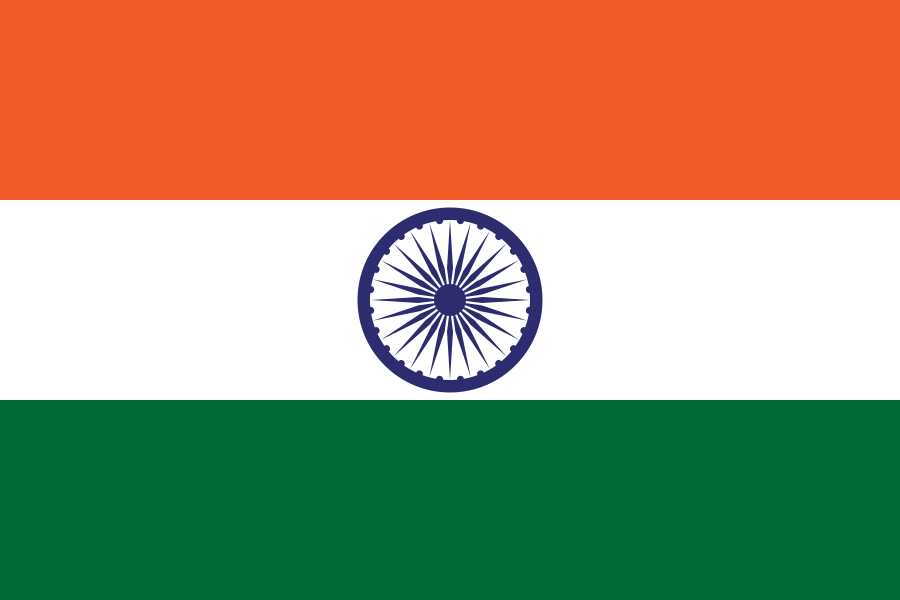
India’s national flag, the Tiranga, is much more than a combination of three colours—it is a powerful representation of the nation’s soul. It symbolizes unity, freedom, and the identity of India as a sovereign country. The flag reflects the courage, sacrifices, and unwavering resolve of the Indian people, while also highlighting the country’s cultural richness, diversity, and independent spirit. Fondly called the “Tiranga,” it honors the heroes of India’s freedom movement and continues to inspire deep feelings of pride, respect, and patriotism among Indians across the globe.
The journey of the Indian national flag began long before India attained independence. The current tricolour design was formally adopted by the Constituent Assembly on 22 July 1947, just weeks before India became a free nation on 15 August 1947. However, the concept and evolution of the flag date back to the early 1900s, when various designs emerged during the freedom struggle. Over time, these efforts shaped the flag into the powerful national symbol it is today.